A beautifully designed home feels comfortable, stylish, and balanced. But even with the best intentions, many homeowners make mistakes that leave their spaces looking cluttered, awkward, or unfinished. The good news? Most design blunders are easy to fix once you know what to look out for.
In this guide, we’ll cover the most common interior design mistakes and share simple solutions to turn them into stylish wins.
Overcrowding a Room with Furniture
The Mistake: Filling every corner with furniture and décor makes a space feel cramped.
The Fix:
- Focus on quality over quantity.
- Choose multipurpose furniture like storage ottomans or sofa-cum-beds.
- Leave open space to allow movement and “breathing room.”
Example: Instead of having five small chairs in a living room, replace them with one sectional sofa and a sleek accent chair.
Ignoring Lighting Layers
The Mistake: Relying only on overhead lighting makes rooms look flat and uninviting.
The Fix:
- Use three layers of lighting: ambient (general), task (reading, cooking), and accent (decorative).
- Add table lamps, floor lamps, and wall sconces to create mood.
- Use dimmers for flexibility.
Quick Tip: A warm-toned lamp in the bedroom creates coziness instantly.
Poor Space Planning
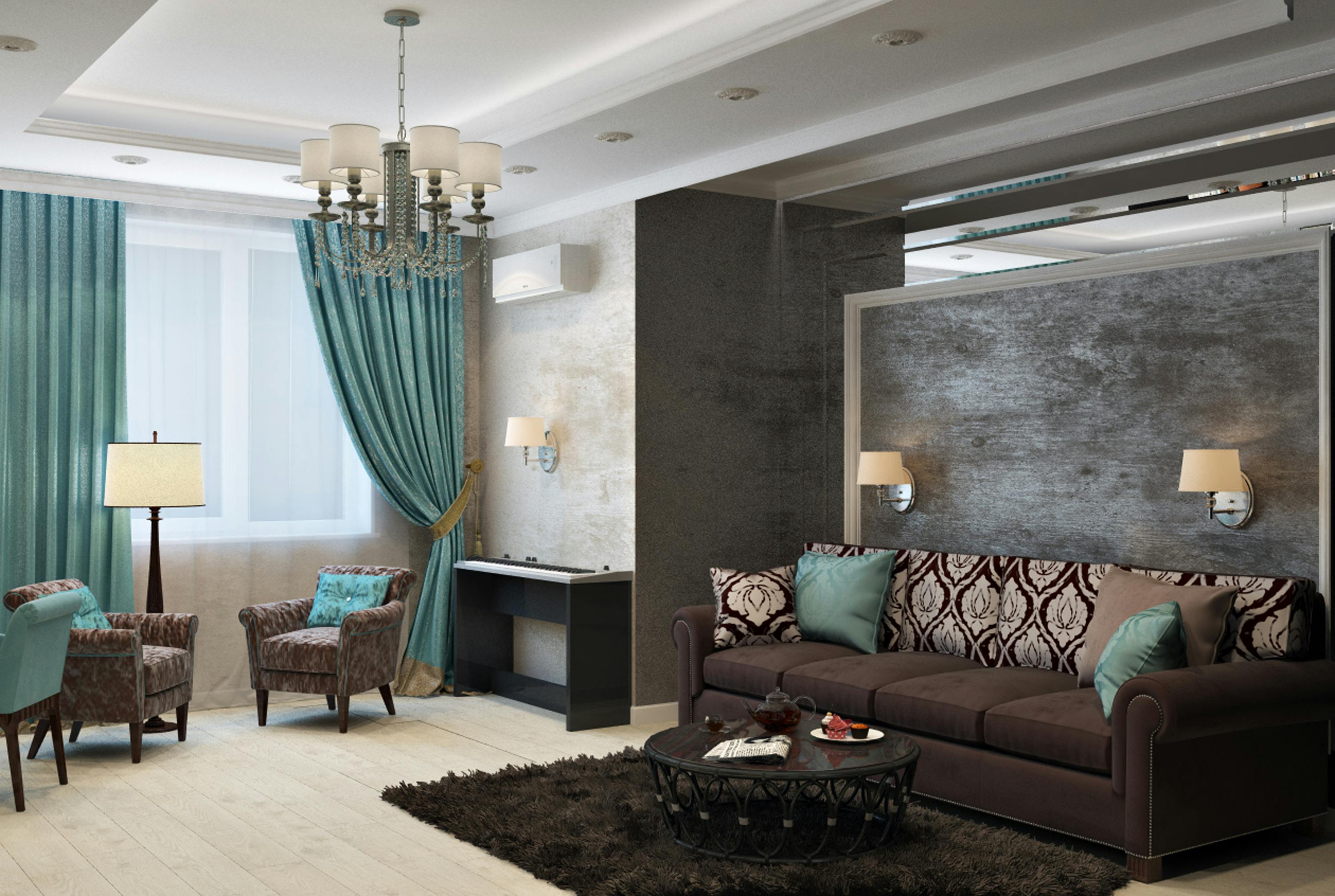
The Mistake: Placing furniture without considering room flow leads to awkward layouts.
The Fix:
- Map out the room before buying or moving furniture.
- Leave clear walkways and avoid blocking natural light.
- Arrange furniture around a focal point (fireplace, TV wall, or window).
Example: Instead of pushing sofas against every wall, create a conversational setup in the center with a rug.
Choosing the Wrong Size Rug
The Mistake: Rugs that are too small or too big can make the room look disproportionate.
The Fix:
- Living Room: Front legs of sofas/chairs should rest on the rug.
- Bedroom: Rug should extend beyond the bed by at least 2 feet.
- Dining Room: Rug should cover the table and chairs when pulled out.
Pro Tip: If you’re on a budget, layer a smaller rug over a neutral large one for style.
Forgetting About Scale and Proportion
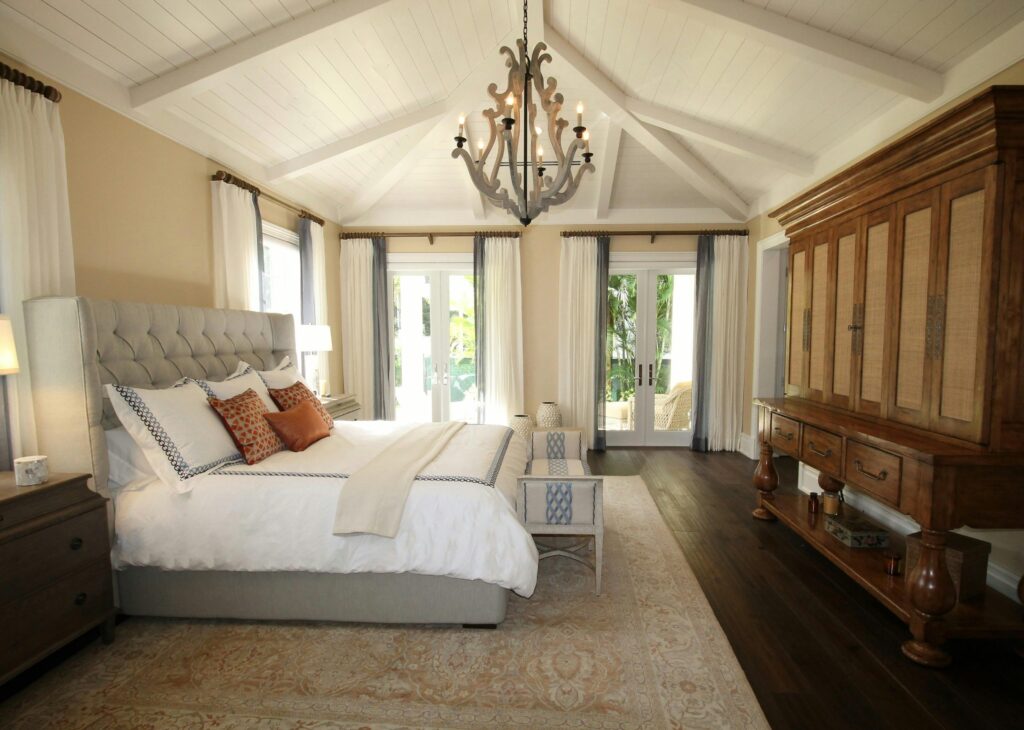
The Mistake: Oversized furniture in a small room (or tiny pieces in a big space) creates imbalance.
The Fix:
- Match furniture size to room scale.
- Mix different heights (lamps, artwork, tables) for balance.
- Use vertical elements (tall shelves, curtains) to draw the eye upward in small rooms.
Hanging Artwork Too High (or Too Low)
The Mistake: Artwork placed at the wrong height looks odd and disconnected.
The Fix:
- Hang art at eye level—about 57–60 inches from the floor.
- For galleries, keep 2–3 inches of spacing between frames.
- Scale artwork to wall size (avoid tiny art on large walls).
Quick Hack: Use painter’s tape to test placement before nailing.
Neglecting Color Flow
The Mistake: Using random colors in every room makes the home feel chaotic.
The Fix:
- Pick a base color palette (3–4 shades) and use it throughout.
- Add pops of color with cushions, throws, or wall art.
- Use color psychology—calming blues in bedrooms, energizing yellows in kitchens.
Prioritizing Style Over Comfort
The Mistake: Buying trendy furniture that looks great but isn’t functional or comfortable.
The Fix:
- Always test furniture before buying.
- Blend aesthetics with ergonomics (comfortable sofas, supportive chairs).
- Choose timeless designs for big pieces and trends for small accents.
Ignoring Storage Needs
The Mistake: A home without enough storage quickly becomes messy.
The Fix:
- Invest in furniture with hidden storage (beds with drawers, ottomans, benches).
- Use vertical shelves and floating cabinets.
- Baskets and organizers keep clutter stylishly contained.
Forgetting Personal Touches
The Mistake: Copying Pinterest boards or showroom looks without adding personality.
The Fix:
- Display family photos, souvenirs, or DIY art.
- Mix store-bought pieces with handmade items.
- Showcase your hobbies—like a wall-mounted guitar or a gallery of travel photos.
This makes your home feel truly yours, not just “Instagram-worthy.”
Conclusion
Interior design is all about creating a space that’s both beautiful and functional. By avoiding these common mistakes, you can save money, reduce frustration, and create a home that reflects your style while staying practical.
Remember: the best-designed home isn’t the most expensive—it’s the one that feels just right for the people living in it.