Your home should be more than just a place to live—it should be a reflection of your personality, a space that brings you comfort, inspiration, and joy. Whether you’re redesigning a single room or starting from scratch in a new space, the right interior design choices can completely transform your environment.
Here are some expert tips to elevate your space with style and purpose:
1. Start with a Vision
Every successful interior design project begins with clarity. Before choosing paint colors or furniture, ask yourself: What do I want this space to feel like? Do you crave a calm, minimal sanctuary? Or maybe you’re drawn to bold, expressive elements that energize you?
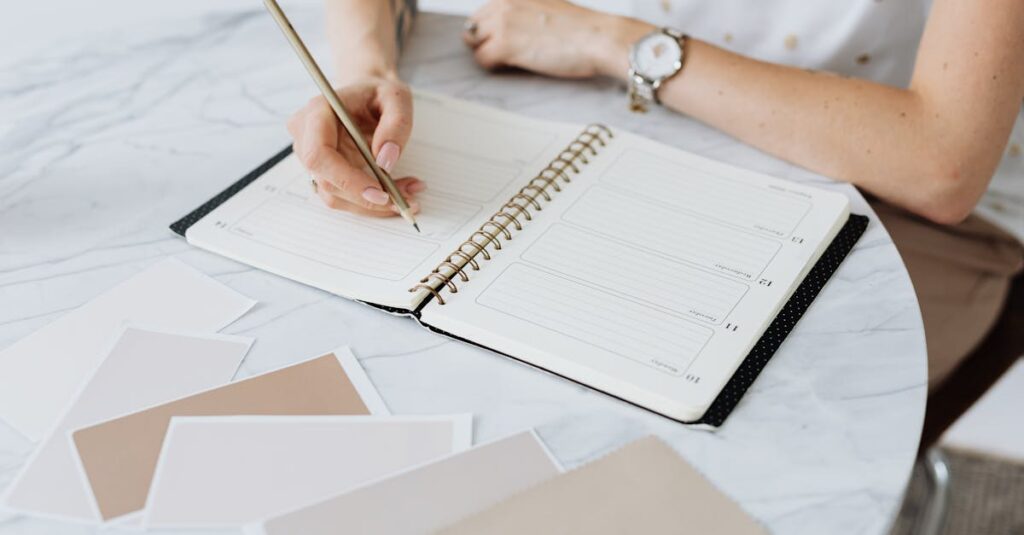
Create a mood board using Pinterest or clippings from design magazines. Collect textures, colors, furniture styles, and lighting inspiration. This helps you visualize your ideal space and keeps you focused during the design process. A clear vision prevents impulse buys and ensures a cohesive, well-balanced design.
2. Balance Function and Aesthetics
Great design is more than good looks—it’s about how well your space works for you. That stunning coffee table might look amazing online, but if it’s too bulky or easily stained, it won’t serve you well in the long run.
Ask yourself how you use each space daily. Need more storage? Choose stylish furniture with hidden compartments. Love entertaining? Prioritize open layouts and seating areas that encourage conversation. Choose items that serve both a purpose and a style, so you never have to sacrifice one for the other.
3. Play with Texture and Layering
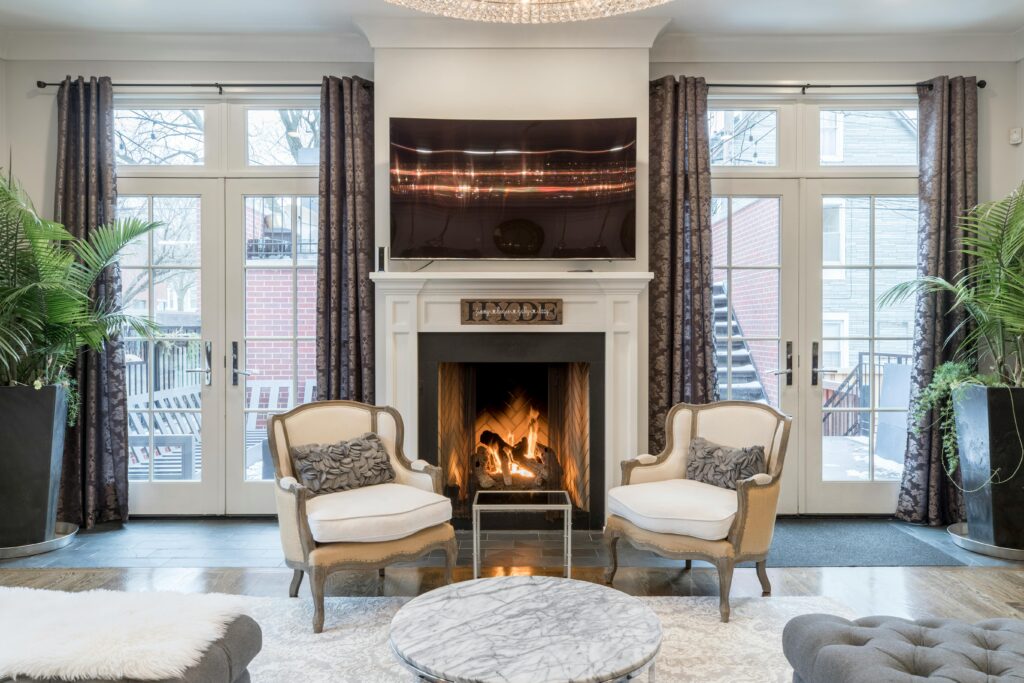
One of the easiest ways to make a room feel finished is by adding texture. Without it, even the most beautifully designed spaces can feel flat and sterile. Layering different materials—such as wood, metal, leather, linen, and stone—brings a sense of warmth and richness.
Consider pairing a sleek leather sofa with a chunky knit throw, a jute rug, and linen curtains. Add wall art with mixed-media textures or decorative accents in ceramics and natural wood. These layered elements help create visual interest and make your space feel more curated and inviting.
4. Let Lighting Do the Talking
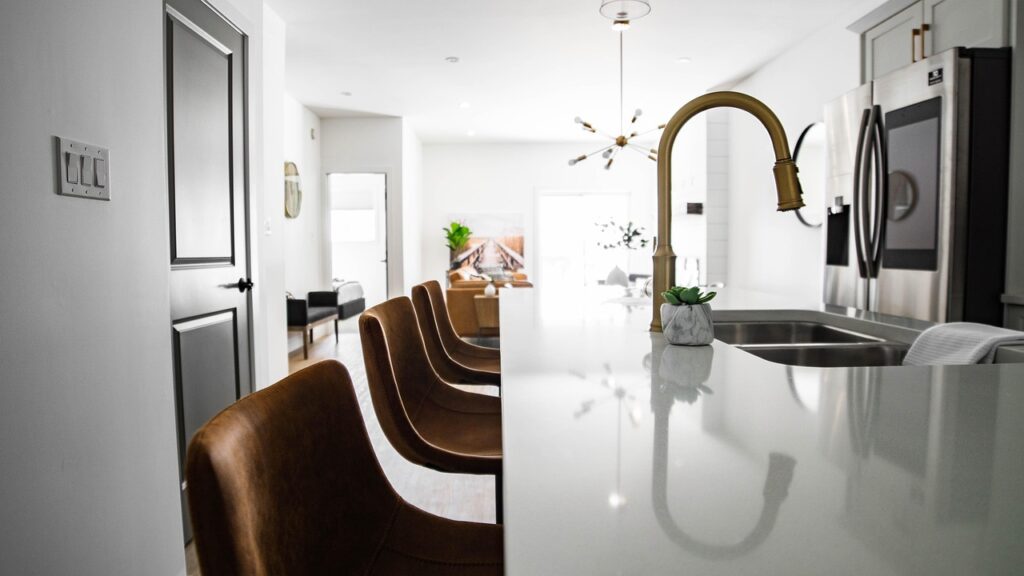
Lighting is often overlooked, but it’s one of the most transformative elements in design. The right lighting can define mood, highlight focal points, and even change how color and texture appear in a room.
Use a layered lighting approach:
- Ambient lighting for general illumination (ceiling lights, recessed lights).
- Task lighting for focused activities (desk lamps, reading lights).
- Accent lighting to highlight art or architectural features (spotlights, sconces).
Don’t underestimate natural light—maximize it with light-filtering curtains, mirrors, and well-placed reflective surfaces. A thoughtfully lit space not only looks better—it feels better too.
5. Don’t Be Afraid of Color
Color has the power to change the entire feel of a room. While neutrals create a timeless base, even subtle pops of color can bring life and energy to your space. Think of color as a storytelling tool—it can uplift, soothe, energize, or ground you.
If you’re unsure where to start, use the 60-30-10 rule:
- 60% main color (walls, large furniture),
- 30% secondary color (rugs, curtains),
- 10% accent color (pillows, vases, art).
Not ready for bold walls? Try colored accessories or artwork first. Experimenting in small ways helps you build confidence with color while still keeping your home stylish and cohesive.
6. Design for Your Lifestyle
Your home should support your daily habits and routines. Good design isn’t about copying a magazine look—it’s about creating a space that works beautifully for the way you live.
If you work remotely, carve out a dedicated, well-designed workspace. If you have kids or pets, choose durable materials and furniture with rounded edges. If you host often, invest in extendable tables and versatile seating.
Your space should serve you—not the other way around. Design with your lifestyle in mind, and the result will be both functional and fulfilling.
7. Add Meaningful Touches
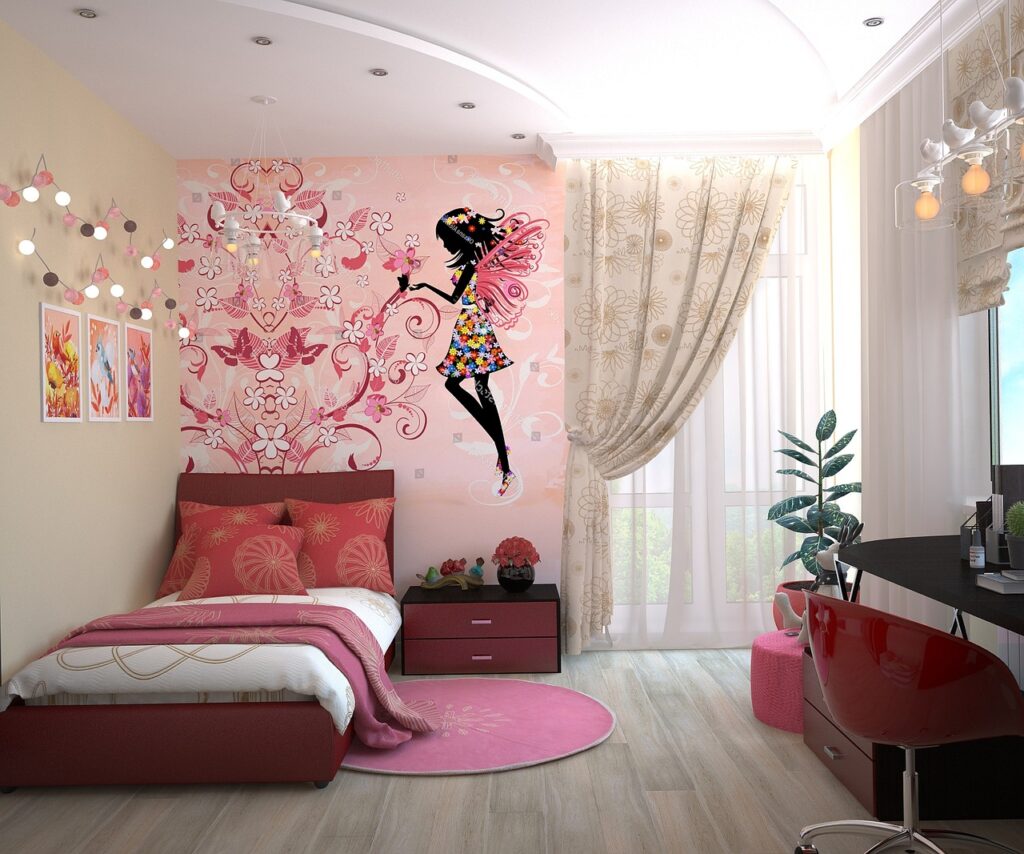
The final layer of any great interior is personality. It’s the things you add that tell your story—whether it’s a vintage vase from a flea market, framed photos from your travels, or your grandmother’s handmade quilt.
These personal touches add warmth and soul to your home. They make it feel authentic—not staged or impersonal. Try mixing designer pieces with handcrafted items, or modern lines with vintage charm. This balance creates a space that feels collected, not just decorated.
Final Thoughts: Design That Feels Like Home
Design isn’t just about pretty rooms—it’s about how those rooms make you feel. The most memorable spaces are the ones that balance beauty with comfort, style with substance, and modern flair with timeless charm.
So whether you’re just moving in or redesigning a long-loved home, approach your space with intention. Invest in pieces you love, design around your real life, and don’t be afraid to take risks along the way.
Ready to create your dream space?
Let’s bring your vision to life with thoughtful, personalized design. Contact us today to get started.